Young people today can get an "answer" in seconds — from Claude, ChatGPT, Grok, Copilot, a search engine, social media, influencers, friends, or family. What they can't get in seconds is judgment: the ability to decide which information deserves weight, what might be influencing it, and ultimately, what to do with it.
Judgment isn't taught in a single lesson. Like most important habits, it develops through early, repeated practice — pausing, gathering information, reflecting, and then deciding. So where can a middle schooler get that kind of practice, with real decisions they actually care about, but without terribly high stakes? One surprisingly useful answer: their own spending.
Watch the habit transfer
Picture a seventh grader who wants new headphones. She's been through a Mindful Spending Workshop, so she's gotten used to putting a little "speed bump" between wanting something and buying it. She asks an AI chatbot which headphones she should buy. It confidently recommends three models. She likes the first one immediately. But then she catches herself. Wait. Why these three? Is this information current? What might be influencing this recommendation? And if I spend this much on headphones, what am I giving up? That's the moment we're building toward.
Her AI literacy matters, of course. But so does something even more fundamental: a well-worn habit of pausing and asking questions before acting on an "answer." It's a habit she can build one small spending decision at a time. That's why we think spending offers such a useful practice field for judgment. A student who has learned not to treat an advertisement, an influencer, a friend's recommendation, or an algorithm as automatically authoritative is already developing a skill that becomes even more valuable in an AI world.
If you've seen The AI Doc: Or How I Became an Apocaloptimist, or know the work of Dr. Carla Engelbrecht, you've heard a version of this concern before: we don't want young people to delegate their thinking. Today's young people need to learn the difference between finding information and using it wisely. Spending gives them a chance to practice that difference every week, long before the consequences of a poor decision become terribly serious.
Meet Spending Ed
This summer, after years of helping children build their own "spending speed bumps" — those small but powerful moments that encourage a pause before a purchase — we gave the idea a larger framework. We call it Spending Ed: Driver's Ed for Money. Spending Ed is a free, flexible graduated licensing program that gives kids repeated opportunities to practice mindful spending through quizzes, activities, and pledges to engage in real-life practice.
Students can earn three smart spending "licenses":
1. The Smart Spending Learner's Permit. Students begin with a Mindful Spending Workshop and earn their Learner's Permit by practicing one simple but powerful habit: pausing before spending.
2. The Defensive Spending License. Young people then learn to recognize the many influences competing for their attention and their money — advertising, social media, peer pressure, algorithms, and more. They also get to practice spending more independently within agreed-upon categories and limits.
3. The Strategic Spending License. Finally, the question shifts from "Can I buy this?" to "Is this the best use of my money?" Students learn to give every dollar — even the fun ones — a job.
Each license comes with a little more independence in today's frictionless spending environment. And with each one, kids get another chance to strengthen judgment and confidence they can carry into future decisions — financial and otherwise.
And yes, it's completely free.
Spending Ed is part of Gifting Sense, a 501(c)(3) nonprofit helping young people become thoughtful consumers as part of their journey toward becoming financially resilient adults. Gifting Sense has been helping young people build mindful spending habits since 2015.
There are no memberships, subscriptions, or products to purchase. These are simply tools and resources we hope teachers, parents, youth mentors, and, most importantly, young people will find useful.
Why Driver's Ed for Money?
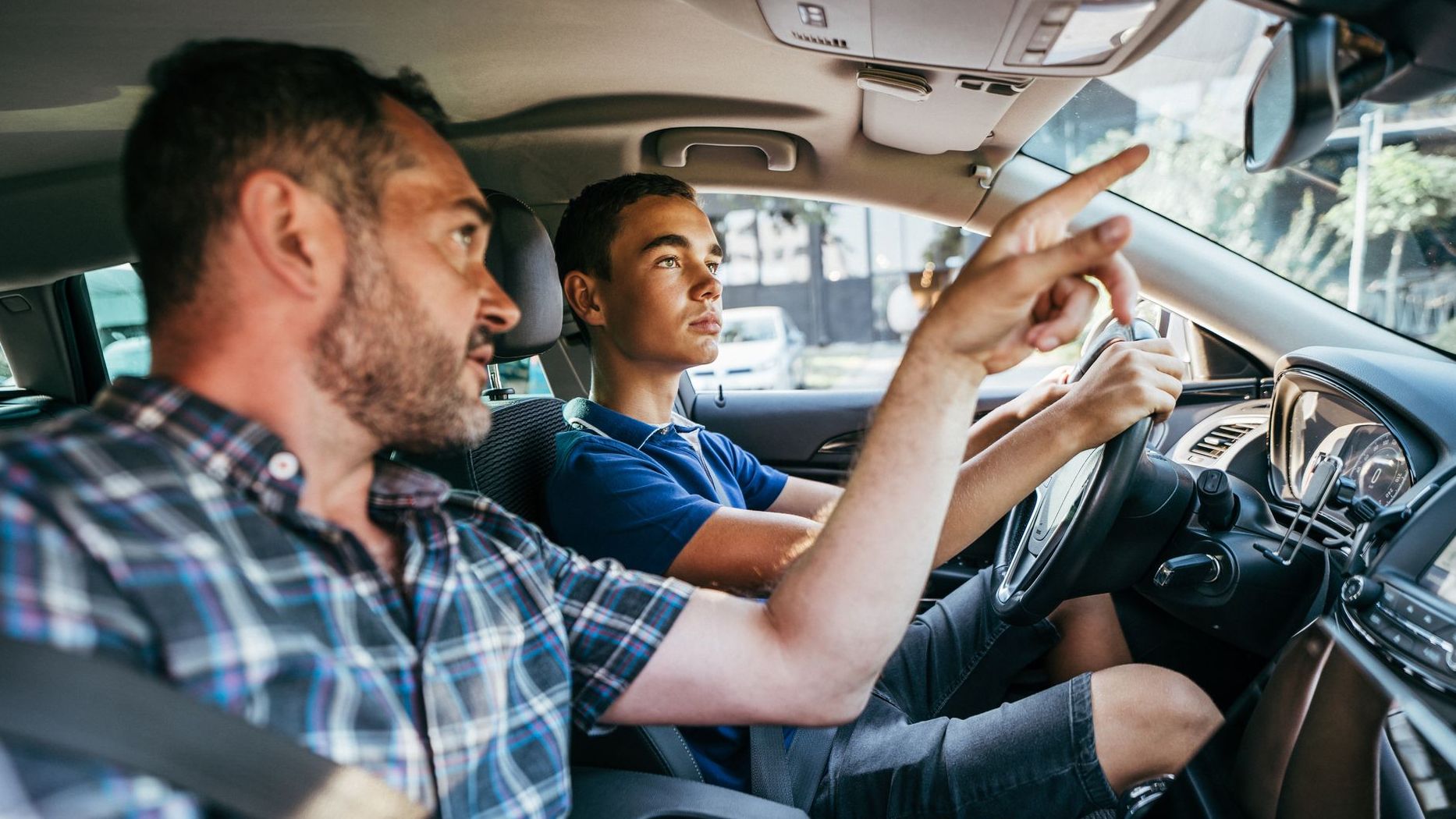
We don't offer Driver's Ed because teenagers are inherently bad drivers. Nor do we expect them to memorize every traffic ordinance before getting behind the wheel. We do it because we want them to have time to develop judgment and confidence before they find themselves on tough terrain in bad weather — while the stakes are still relatively low and good habits are easiest to build.
Spending Ed works the same way. It isn't about telling students what to buy or not to buy. It's about giving them a lower-stakes practice field where they can ask good questions, weigh their options, make decisions, and gradually build confidence in their own judgment. One small spending decision at a time.
Spending is a practice field most students already know
One of Spending Ed's strengths is that it meets students where they are. We know every classroom and community includes a continuum of economic realities. Some students receive an allowance. Some earn money. Some occasionally receive birthday money or gift cards. Some help make family purchasing decisions. Others mostly observe the spending choices being made around them.
A child doesn't need a large allowance — or any allowance at all — to begin thinking about spending decisions. Students can reflect on choices they've made, those they've observed, or those they may have the opportunity to make in the future. That familiar, lived experience is what can make spending such a useful practice field across many different circumstances.
How much time does it take?
Here's the part busy parents and teachers may particularly appreciate. A Mindful Spending Workshop plus all three licenses can be completed in about three hours over the course of an entire year.
The real "reps" happen in daily life, not during class time...when a student wants a new pair of sneakers, sees something promoted by an influencer, or wonders whether an AI recommendation is actually right for them. That’s where pausing and thinking can start to become second nature.
There’s no one right way to use Spending Ed. Families and schools can introduce one license at a time, complete the sequence within a year, or simply borrow an activity that fits the time they have available. We designed it to be flexible because every classroom, family, and child is different.
Why spending, and why now?
The world is getting extraordinarily good at giving our kids answers. That isn't automatically something to fear. There is enormous promise in giving young people access to information and tools previous generations could barely have imagined. But having more answers makes another skill more important, not less: knowing what to do with them. That's where judgment comes in. And judgment needs practice.
Spending gives young people something remarkably useful: decisions they actually care about, choices with visible trade-offs, outside influences they can learn to recognize, and consequences that are usually small enough to learn from safely.
- Do I really want this?
- Why do I want it?
- Who or what is influencing me?
- What information should I trust?
- What will I have to give up if I choose this?
- Does it make sense for me?
Those may begin as spending questions. But with practice, they become questions young people learn to ask about all kinds of decisions.
The world is going to continue giving our kids increasingly good answers. Our job is to help them develop increasingly good judgment.
Spending Ed gives them a place to practice.
Ready when you are:
To learn more about our free mindful spending tools, click on the pink or blue buttons below.
Child Development Financial Literacy For Parents For Teachers Spending Ed