Is Gifting Sense just for kids from “middle-class” families?
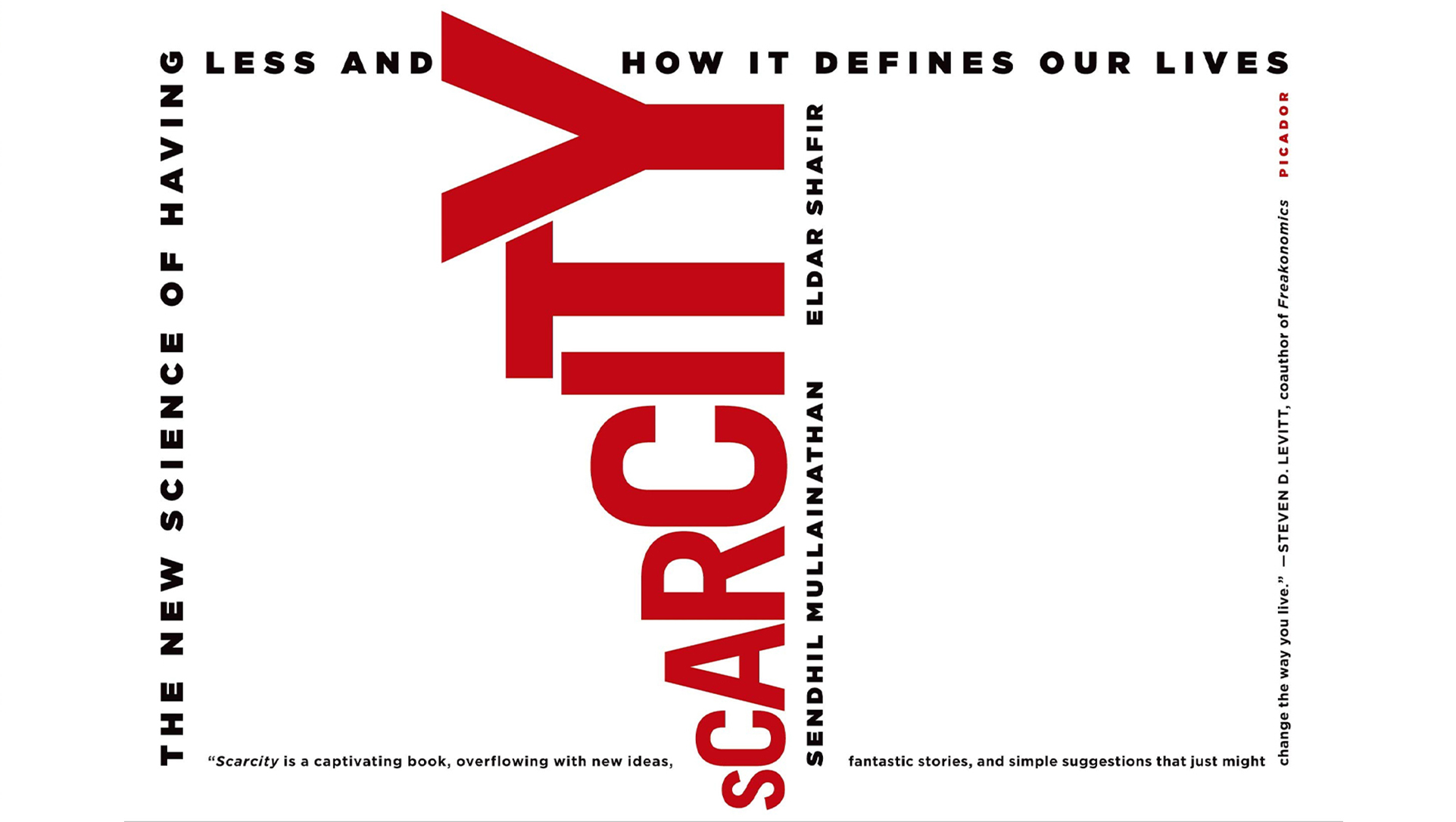
In their collaboration Scarcity: Why Having Too Little Means So Much, behavioral economist Sendhil Mullainathan and psychologist Eldar Shafir do a deep dive into both the short and long-term impact of constantly living with less. Anyone familiar with Operation Hope out of Atlanta could be forgiven for seeing this book as a pretty reasonable explanation for exactly why kids in under-served neighborhoods never “get the memo” (on how to create a solid financial future, as Operation Hope CEO John Hope Bryant frequently states). The Gifting Sense blog is hardly the place to summarize 300 pages of behavioral economics and psychology, but we’re attempting to do exactly that because of a question we’ve been asked more than once: “Is Gifting Sense just for kids from middle-class families?”
No! Here is why.
We help children work on a problem that matters to them in real time: answering the question, “Should I buy this item or experience?” Even though children from different economic realities do (sometimes) consider different types of purchases, the questions the DIMS SCORE® calculator asks are always the same. Because it doesn’t matter if you are thinking about really fancy running shoes or a really basic backpack, a weekend trip or a meal away from home, understanding how much you’re likely to use and appreciate a possible purchase, as well as what sales tax, shipping or other ancillary costs (e.g., safe transportation in the case of an experience) will add to the all-in cost, before you spend, helps you avoid FOMO and buyer’s remorse.
Mullainathan and Shafir would add that because children who live with a lot less have to spend so much mental energy on mere survival, juggling, if you will, balls in the air, like eating, helping care for siblings, or (way, way, down the list) doing homework, they rarely get to practice making choices that can have a longer-term positive impact. As they put it, “Planning requires stepping back, yet juggling keeps us locked into the current situation…focusing on the ball that is about to drop…”
Living with scarcity imposes a bandwidth tax.
Living with scarcity imposes a “bandwidth tax”. Think about a computer that slows down because you have too many programs running in the background; constantly managing scarce resources takes up so much mental energy you automatically have less for the rest of the things you are supposed to be doing every day – like learning if you are still in school. Mullainathan and Shafir believe this “bandwidth tax” is the primary difference between equally capable people being able to make financial decisions that hurt or help their future selves.
How indeed can you “…get the (long-term-money-smarts) memo…” when your in-box is already stuffed with flyers for possible ways to merely eat, sleep, or get basic school supplies? It’s a lot harder, for sure. So let’s roll out some easily absorbed early personal finance lessons to middle schoolers who are already sitting in class and help particularly children from income-insufficient households.
Simple reminders to avoid pitfalls can be incredibly powerful.
The good news? Calculating the DIMS – DOES IT MAKE SENSE?® SCORE for possible purchases can offer children living with scarcity just the right amount of “rule of thumb” guidance to avoid early financial pitfalls. Anything more involved than “rules of thumb” is harder to follow consistently, according to Mullainathan and Shafir. But simple reminders to avoid pitfalls can be incredibly powerful.
And importantly, asking a child to pause before buying is not the same thing as telling a family that is already stretched to spend less. The pause simply helps put one possible purchase next to something else the child or family may be trying to protect. It gives children useful context for decisions they are already encountering — and can make a flat “no” easier to understand. This is why we encourage even just regular use of the phrase “What’s the DIMS SCORE?” after workshops. It’s a simple reminder that there is life beyond the immediate choice.
What about kids who already “have money”?
The very same pause matters in homes with greater financial flexibility. In that case, the benefit is different: it keeps wants from simply going unexamined (this is referred to as a “focus dividend” in behavioral economics). The habit of thinking before buying can help children from all economic realities understand that asking and answering questions about money is something anyone can and should want to do. For the 70% of kids “in the middle” of a normal income distribution curve, the DIMS SCORE® Calculator is a layup. It provides them with a quick yet not arbitrary way to assess potential purchases. They’ve already heard at least some of the questions the calculator asks, e.g., “Are you willing to spend some of your own money?”
Thinking before buying also nicely illustrates the environmental impact of careless spending. But this post focuses on deflating the idea that more careful consideration of even simple purchases (or what a child might like to receive for an upcoming birthday or holiday gift) only benefits young people from more affluent households. The habit of thinking before buying can help young people from all economic realities understand that they can help shape their own future, one choice at a time.
The cost of not teaching kids to think before they buy is just way too high.
It’s never been easier to teach kids how to think before they buy. Parents and educators are increasingly comfortable introducing kids to the DIMS SCORE® Calculator themselves, outside of workshops. That is exciting because they are the best people for the job. Moms, dads, and teachers know their families and classrooms far better than we do! But don’t worry, we promise to continue delivering our special brand of real-life money math to as many middle school students as possible, helping more of them “get the memo.” The real cost of failing to do so is just too high.
To learn more, visit the Teacher Tab, or click on the pink or blue buttons below.
DIMS SCORE Questions For Parents For Teachers Inspiring Financial Writers